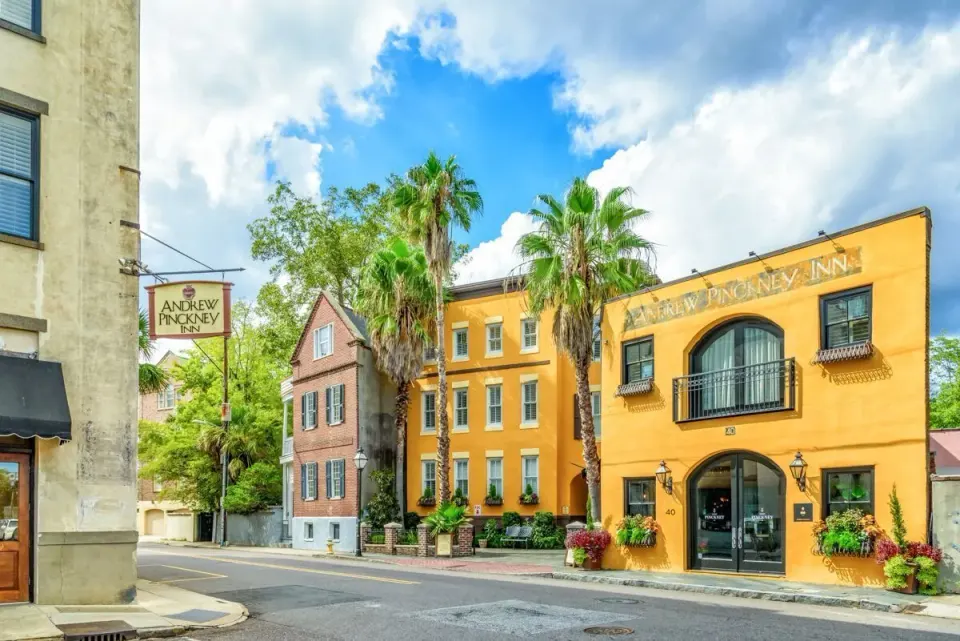
Best time to visit Charleston — month-by-month advice
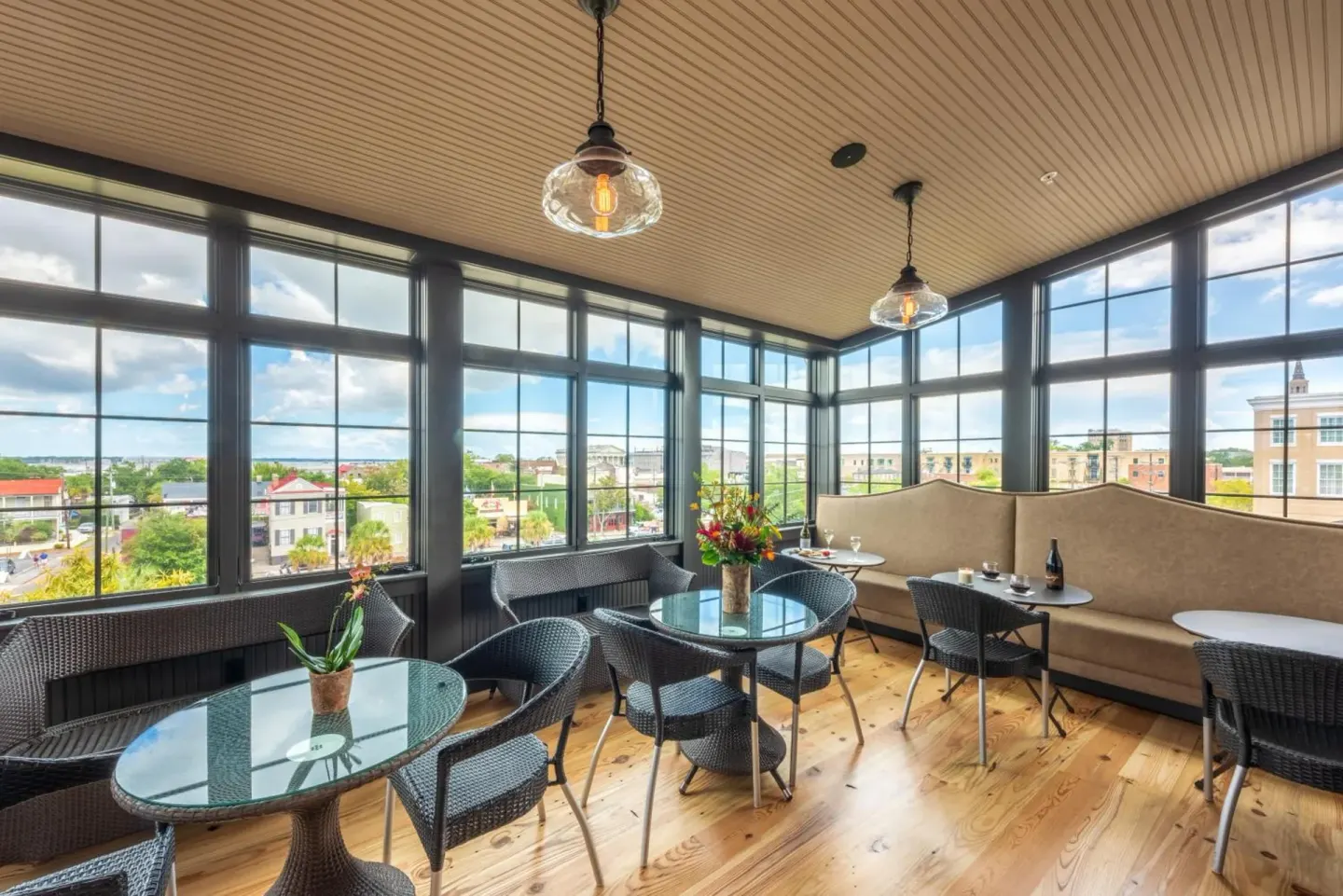
The best times to visit Charleston for comfortable weather and fewer crowds are spring (March–May) and fall (September–November). Summers are hot, humid and include the peak of hurricane season, while winter is mild and quieter for sightseeing.
In this guide
January–February: Off-peak, cooler and quieter
January and February are the slowest months for downtown Charleston. Expect cooler weather and fewer tourists, which makes it easier to visit museums, take carriage tours, and get restaurant reservations.
If you prefer a quieter downtown stay and lower crowds at places like the Charleston City Market, these months work well. Keep in mind some seasonal attractions or tours may run reduced schedules.
- Easier reservations at popular restaurants
- Good time for museums and indoor tours
- Bring layers for cool mornings and evenings
| Month | Why visit |
|---|---|
| January | Quieter city visits; museums easier to see |
| February | Cool weather, lower crowds; early spring bulbs may begin |
March–May: Spring — best balance of weather and events
March through May is widely recommended for visiting Charleston: mild temperatures, blooming gardens, and several seasonal events. Spring is a popular time for walking the Historic District, visiting plantations, and attending festivals.
Because demand rises in spring, especially around events, book sooner for specific room types such as the Cotesworth Suite, St. Phillip Suite, or Townhouse Suite if you need extra space.
- Enjoy the rooftop Solarium breakfast and afternoon Wine + Cheese Reception while the weather is pleasant
- Spring events and gardens are in bloom — expect higher demand for rooms
- Good months for outdoor weddings at the Eliza Pinckney Courtyard
| Month | Travel note |
|---|---|
| March | Temperate weather; festival season begins |
| April | Peak garden and house-tour season |
| May | Warm but still comfortable; higher visitor numbers |
June–August: Summer — hot, humid, and busy
June through August brings hot, humid weather and is among the busiest times for Charleston tourism. Outdoor activities and waterfront sightseeing are popular, but heat and higher humidity can make midday walking less comfortable.
August is also noted in local sources as the rainiest month and falls inside the city’s hurricane season window, so monitor conditions if you travel in late summer.
- Expect higher hotel demand and busy streets around major attractions
- Bring light, breathable clothing and plan outdoor activity for mornings/evenings
- Watch forecasts during hurricane season (August–October) and consider flexible plans
| Month | Considerations |
|---|---|
| June | Start of summer heat; busy with tourists |
| July | Peak summer activity; high humidity |
| August | Rainiest month; elevated hurricane-season risk |
September–November: Fall — another strong window to visit
September through November is another recommended period for Charleston travel. Temperatures moderate after summer and the city continues to host food and cultural events into November.
Fall also sees steady visitor numbers, so popular times like Charleston Restaurant Week and other food events can increase demand for rooms and event spaces such as the rooftop Solarium or Eliza Pinckney Courtyard.
- Milder weather for walking and historic-district exploration
- Great months for food-focused events and dining out
- September still overlaps hurricane season; stay aware of weather updates
| Month | What to expect |
|---|---|
| September | Cooling down from summer; hurricane season still active |
| October | Pleasant temperatures; good for outdoor activities |
| November | Warm days, mild evenings; event season continues |
December: Holiday atmosphere and milder winter
December brings holiday decorations and a calmer pace than peak spring or summer but still mild weather compared with many northern cities. It’s a good time for indoor attractions, historic home tours, and quieter streets.
If you need intimate event space for a winter gathering, the inn’s Exchange Studio, Eliza Pinckney Courtyard (with planner-arranged contingencies), and rooftop Solarium are options to discuss with the inn’s events staff.
- Holiday decorations and seasonal dining options available around the Historic District
- Quieter streets than spring/summer, but plan ahead for holiday weekend demand
- Use the inn’s concierge to arrange tours, reservations, or nearby spa services
| Month | Tip |
|---|---|
| December | Milder winter weather; holiday atmosphere in the Historic District |
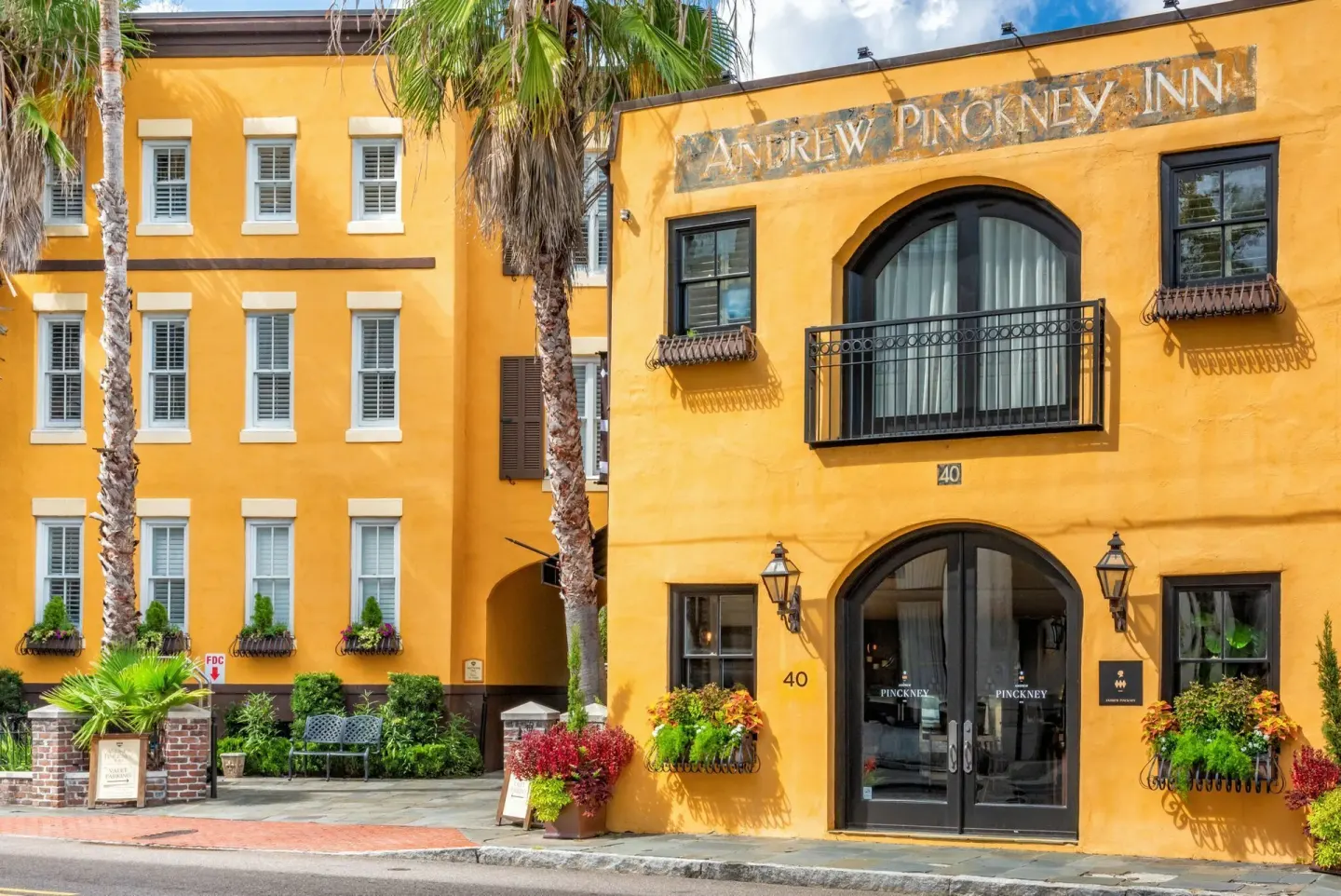
Room picks, logistics, and event planning year-round
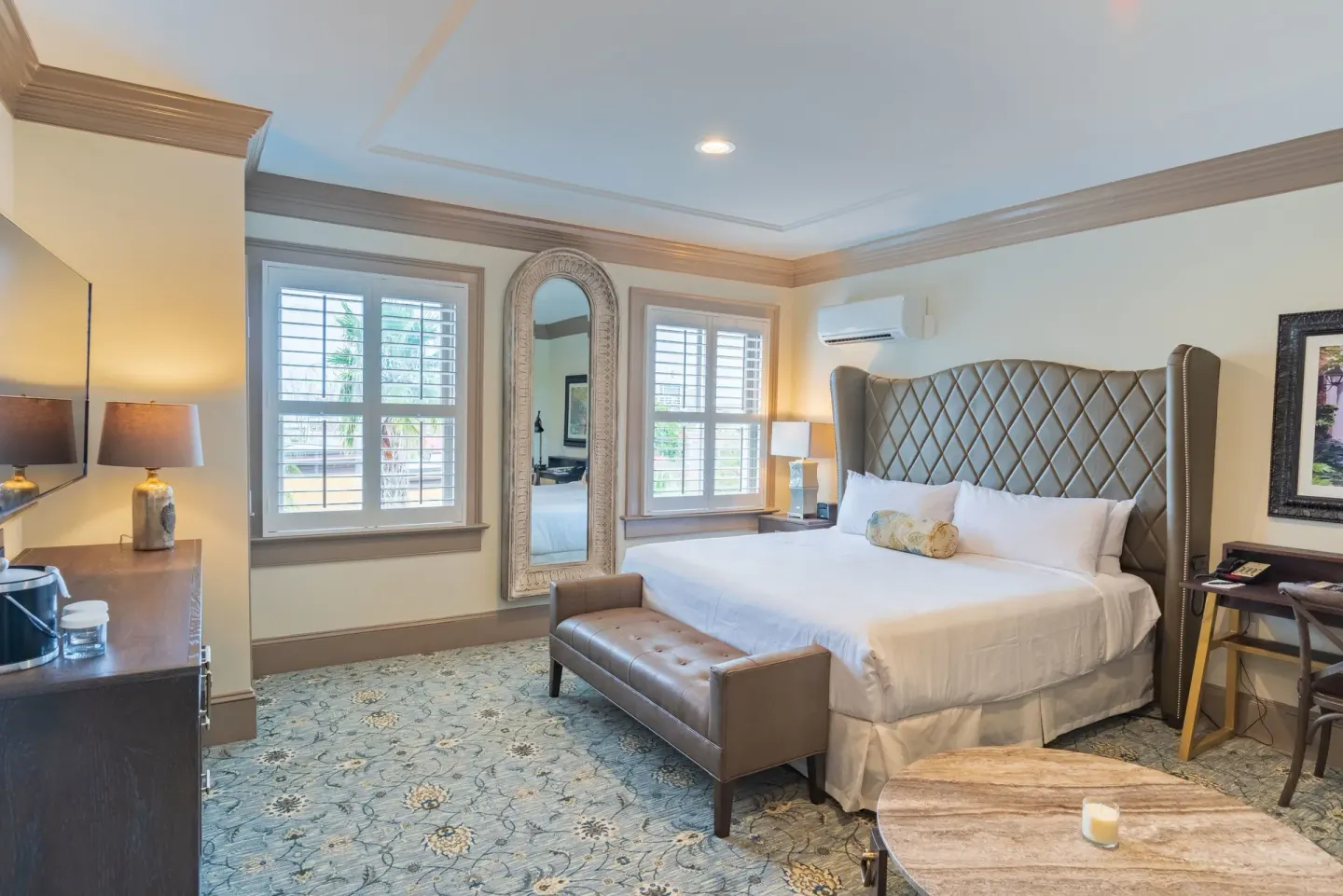
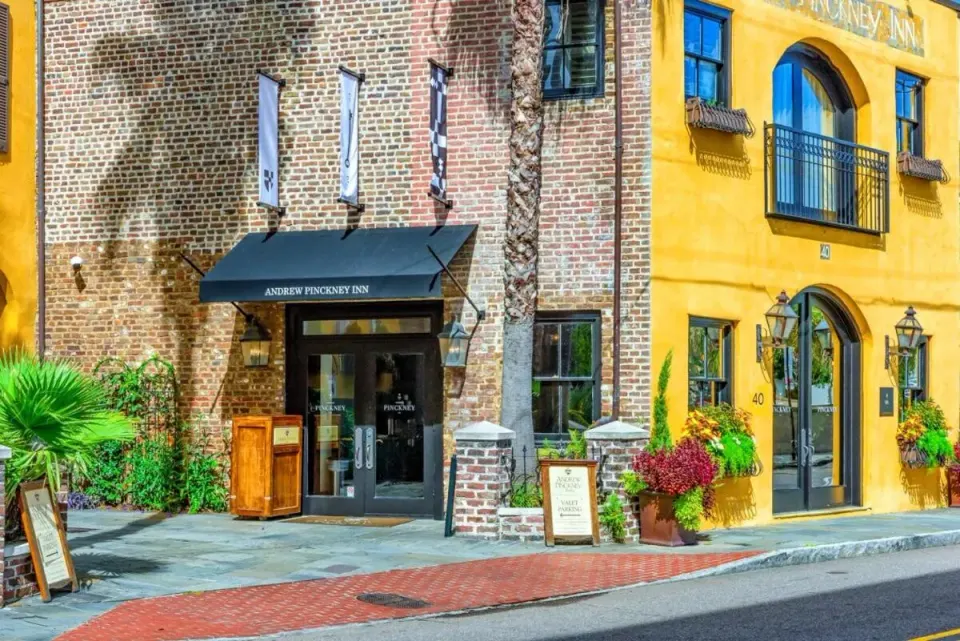
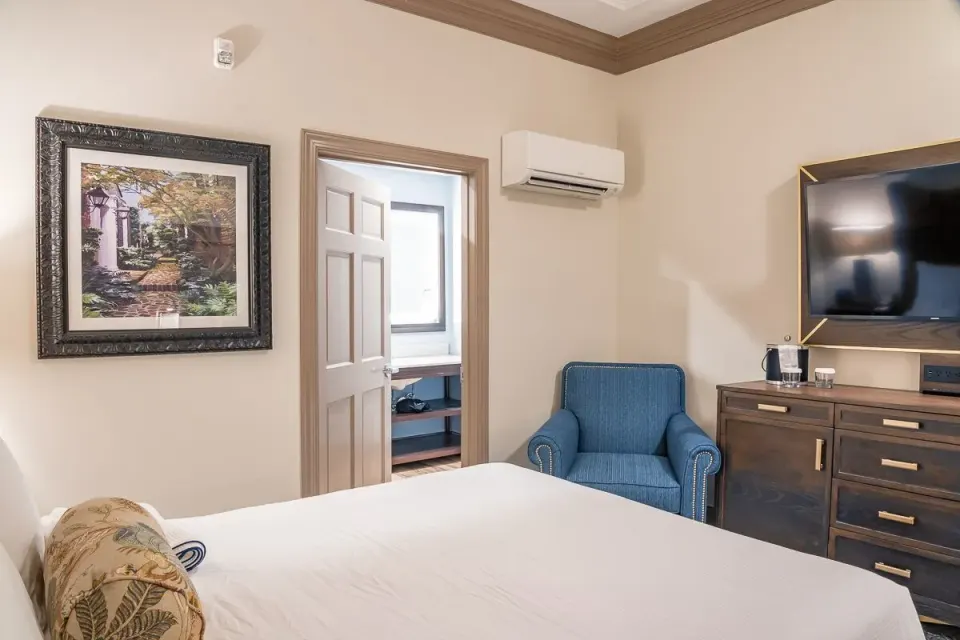
Andrew Pinckney Inn’s rooms and suites accommodate different needs: choose Traditional Queen or Petite Room for a compact stay, Traditional King for a single-room upgrade, or Junior Suite, Townhouse Suite, Cotesworth Suite and St. Phillip Suite for more space. The property lists about 41 rooms across two historic buildings.
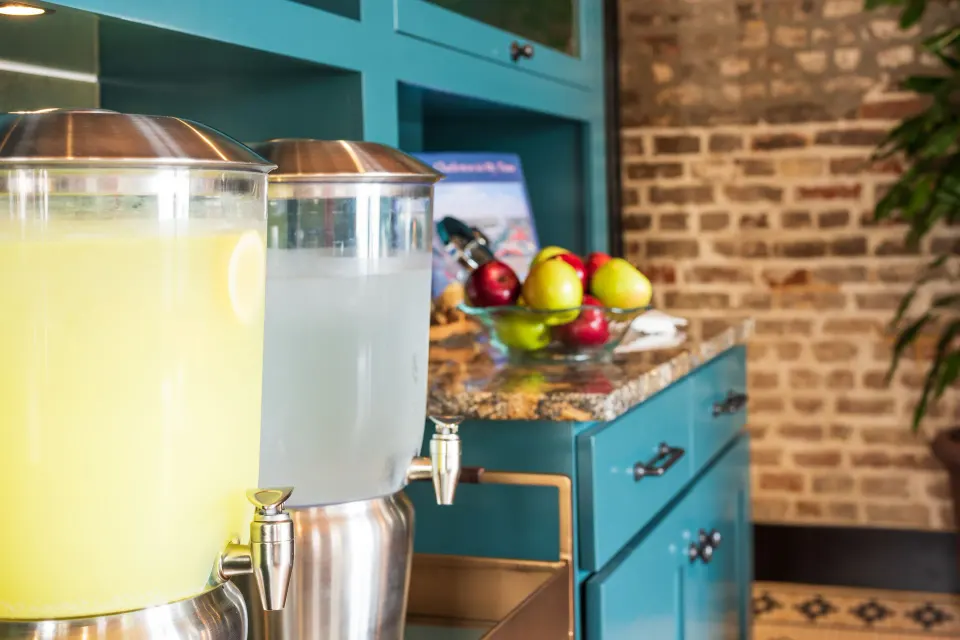
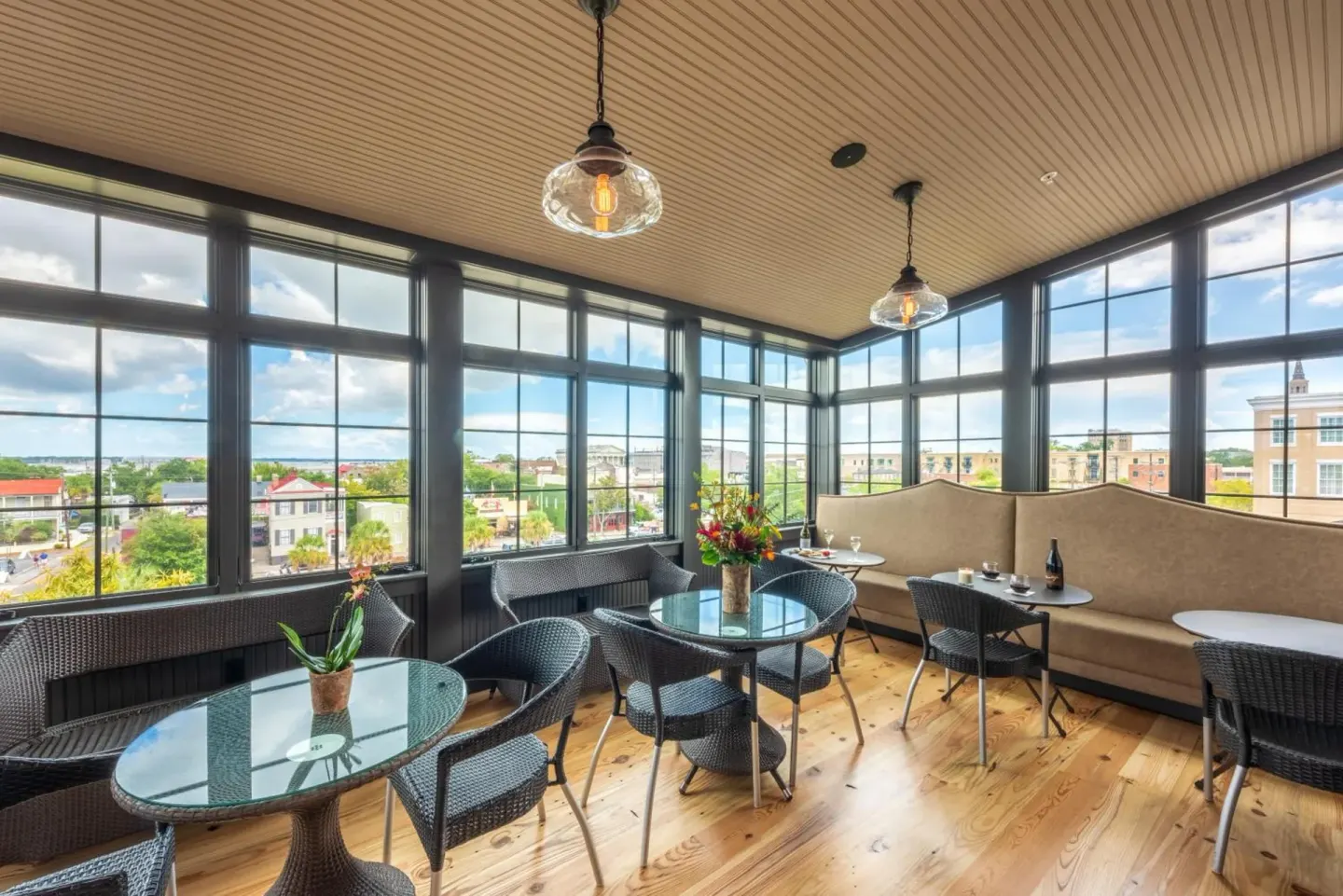
The rooftop Solarium is used daily for the complimentary expanded continental breakfast (7:00–10:00 AM) and the Afternoon Wine + Cheese Reception (4:00–5:30 PM), and it’s also offered as a wedding/event space. Valet parking is available on site for a fee; self-parking is not offered.
- Check-in begins at 4:00 PM; check-out is 11:00 AM
- The Church Street Building has an elevator; the Pinckney Street Building is stairs-only
- No on-site restaurant or bar — the inn serves breakfast and a daily Afternoon Reception; staff can help with nearby dining reservations
| Need | Recommended room or space |
|---|---|
| Compact room | Traditional Queen or Petite Room |
| Extra living space | Junior Suite or Townhouse Suite |
| Suite with separate living area | Cotesworth Suite or St. Phillip Suite |